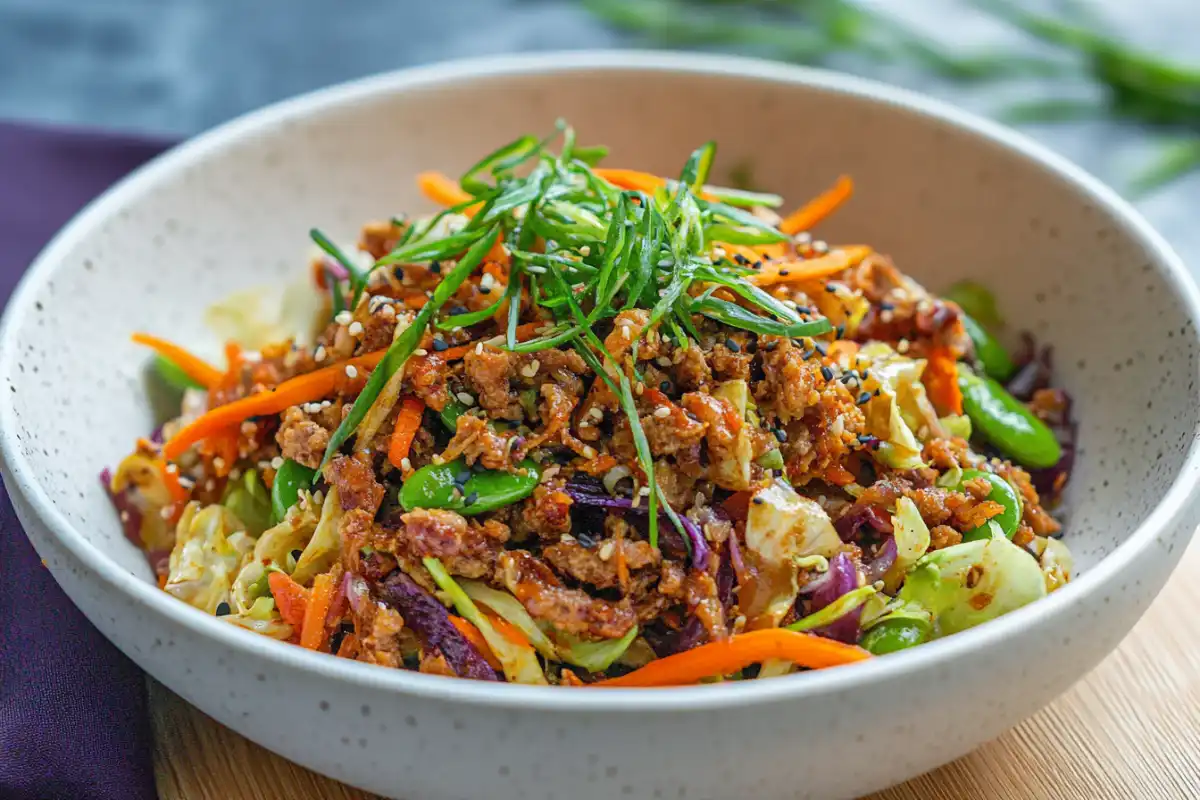
The Allure of the Egg Roll: More Than Just a Snack
There's an undeniable magic to a perfectly made egg roll. That initial, satisfying crunch as your teeth break through the golden, bubbly exterior, giving way to a warm, savory filling of seasoned meat and crisp vegetables – it's a sensory experience that defines comfort food for many. From bustling Chinese takeout counters to elegant appetizers at a family gathering, egg rolls have cemented their place as a beloved staple in Western cuisine. They are far more than just a snack; they are a culinary journey, a testament to adaptability, and a dish steeped in both tradition and delicious evolution.
For countless home cooks, the journey to mastering the homemade egg roll begins with a simple craving and a desire to recreate that irresistible takeout experience. What starts as a humble attempt often evolves into a passion, transforming a tiny kitchen into a vibrant culinary arena. The beauty of these crispy delights lies not just in their flavor, but in their versatility and the sheer joy of creating them from scratch. If you've ever found yourself with an abundance of fresh vegetables and a hankering for something truly special, the egg roll offers a perfect, satisfying solution.
Deconstructing the Delicious: What Goes Into Egg Roll Fillings?
The heart of any great egg roll lies within its filling. While the external wrapper provides that signature crisp, it's the carefully seasoned medley inside that delivers the memorable flavor. Understanding what traditionally goes into an egg roll, and how infinitely customizable it can be, is key to appreciating this iconic dish.
Traditional Fillings: A Classic Foundation
When you delve into the authentic roots of what constitutes a classic egg roll filling, a consistent picture emerges. Many culinary experts and those with deep ties to Chinese American restaurant traditions point to a specific combination:
- Roasted Pork: Often finely chopped Chinese roast pork (char siu) provides a sweet and savory depth.
- Shrimp: Small, tender shrimp add a delicate seafood flavor and texture.
- Cabbage: Shredded cabbage is a non-negotiable component, offering bulk, a slight sweetness, and a pleasant crunch.
- Carrots & Celery: These vegetables contribute essential texture, vibrant color, and earthy notes.
This classic blend creates a rich, complex flavor profile that balances the savory notes of the pork and shrimp with the refreshing crunch of the vegetables. The ingredients are typically finely minced, allowing for an even distribution of flavor in every bite.
Modern Twists & Customizable Creations
One of the most appealing aspects of making egg rolls at home is the freedom to experiment with fillings. While the traditional combination is undeniably delicious, modern culinary preferences and ingredient availability have led to a delightful array of variations. The adaptability makes them perfect for utilizing whatever fresh ingredients you might have on hand.
- Protein Powerhouses: If roasted pork or shrimp aren't your preference, ground chicken is a popular and leaner alternative. Ground turkey or a blend of ground pork and chicken also work exceptionally well. For a richer flavor, some even use ground beef.
- Vegetable Variations: Beyond the standard cabbage and carrots, feel free to incorporate other vegetables like finely diced onions, bean sprouts, water chestnuts for added crunch, or even mushrooms for an earthy depth. The key is to finely chop them so they cook evenly and integrate well within the roll.
- Flavor Boosters: The seasoning is paramount. A classic blend often includes soy sauce, fresh ginger, minced garlic, a touch of sesame oil, and perhaps a pinch of white pepper. Some recipes introduce a hint of oyster sauce for extra umami.
Whether you're aiming for a vegetarian masterpiece or experimenting with different meat and veggie combinations, the egg roll provides a fantastic canvas for culinary creativity. For even more inventive ideas and practical advice on ingredient swaps, explore our guide on Homemade Egg Rolls: Easy Swaps for Fillings & Wrappers.
A Culinary Journey: The Surprising History of Egg Rolls
While synonymous with Chinese cuisine, the egg roll as we know it is actually an intriguing product of cultural fusion, a distinctly American creation that evolved from its Chinese ancestors. Its history is a fascinating narrative of adaptation, immigration, and the birth of a new culinary icon.
Contrary to popular belief, egg rolls did not originate in China. They emerged in Chinese American restaurants in the early 20th century, primarily in New York City. They are a direct descendant of traditional Chinese spring rolls (chun juan), but with several key differences tailored to American palates and ingredients. Spring rolls typically feature a much thinner, delicate wrapper made from wheat flour and water, often pan-fried or lightly fried, and filled with lighter, fresher vegetables. The transformation into the American egg roll involved a thicker, more substantial wrapper designed to hold heartier fillings and withstand deep-frying, resulting in that characteristic crispy, bubbly exterior.
This evolution speaks volumes about the ingenuity of early Chinese immigrants who adapted their culinary heritage to local tastes and available ingredients. The denser wrapper, the savory fried preparation, and the often more robust fillings resonated deeply with American diners, quickly making egg rolls a staple on Chinese takeout menus across the country. Many vividly recall their first crunch, perhaps at a casual lunch spot in NYC, pairing the fried delight with sweet duck sauce and an ice-cold soda – a quintessential childhood experience that cemented the egg roll's place in American hearts.
The Curious Case of the "Egg" in Egg Rolls: A Name Explained
Perhaps one of the most common questions surrounding this beloved appetizer is, "Why are they called egg rolls when there's no egg in the filling?" It's a valid point that has puzzled many, and the answer lies in a few interesting possibilities, none of which involve scrambled egg inside your crispy wrapper!
The primary reason for the name is that, traditionally, some wrappers for egg rolls were indeed made with egg. While many commercial egg roll wrappers today may not contain actual egg (often relying solely on wheat flour, water, and salt), the original formulations often did. The inclusion of egg in the dough gives the wrapper a slightly richer flavor and contributes to its unique texture and ability to puff up and become exceptionally crispy when deep-fried. This stands in contrast to the thinner, more delicate spring roll wrappers, which typically contain no egg at all.
Another contributing factor to the name, albeit less common for the filling itself, is the use of an "egg wash." Some recipes call for brushing the edges of the wrapper with beaten egg to help seal the roll before frying, preventing the filling from escaping. While this uses egg, it's for structural integrity, not as a core filling ingredient.
Ultimately, the name "egg roll" likely served as a simple, descriptive term to differentiate this specific type of fried roll from other Asian appetizers, highlighting the egg content (or lack thereof) in its distinctive wrapper. It's a linguistic legacy that has stuck, despite the filling being entirely egg-free.
Mastering the Crispy Delight at Home
The journey to making perfect homemade egg rolls is incredibly rewarding. While it might seem daunting at first, achieving that golden, crunchy exterior and flavorful interior is well within reach for any home cook. Here are a few essential tips:
- Perfect Filling Balance: Don't overfill your wrappers. A moderate amount of filling allows for even cooking and proper sealing. Ensure your filling isn't too wet, as excess moisture can lead to soggy wrappers.
- Wrapping Technique: A tight, consistent wrap is crucial for preventing blowouts during frying. Fold the bottom corner over the filling, fold in the sides, and then roll tightly upwards, sealing the final corner with a little water or egg wash.
- Frying Temperature: Maintain the oil temperature between 350-375°F (175-190°C). Too cool, and the rolls will absorb too much oil and be greasy; too hot, and they'll brown too quickly before the filling is cooked through.
- Wrapper Wisdom: If you can't find traditional egg roll wrappers, don't despair! Wonton wrappers can be a fantastic substitute, though they are smaller, so you'll need to adjust your filling amounts and roll them into smaller appetizers.
The satisfaction of pulling a batch of perfectly fried, golden-brown egg rolls from the oil is unmatched. Serve them immediately with classic accompaniments like sweet and sour sauce, fiery hot mustard, or the ever-popular "duck sauce" for the ultimate experience. Ready to dive in and create your own batch? Our comprehensive guide on Master Crispy Homemade Egg Rolls in 40 Minutes will walk you through every step.
Conclusion
From their surprising American origins to their endlessly customizable fillings and the intriguing mystery behind their name, egg rolls are a culinary delight with a rich story. They represent more than just a quick bite; they embody the fusion of cultures, the joy of communal dining, and the simple pleasure of a perfectly crispy, savory treat. Whether you prefer the classic pork and cabbage, a modern chicken and veggie blend, or a fully vegetarian option, the egg roll continues to captivate palates worldwide. So next time you bite into that irresistible crunch, you'll not only savor the flavor but also appreciate the fascinating journey of this iconic dish.
