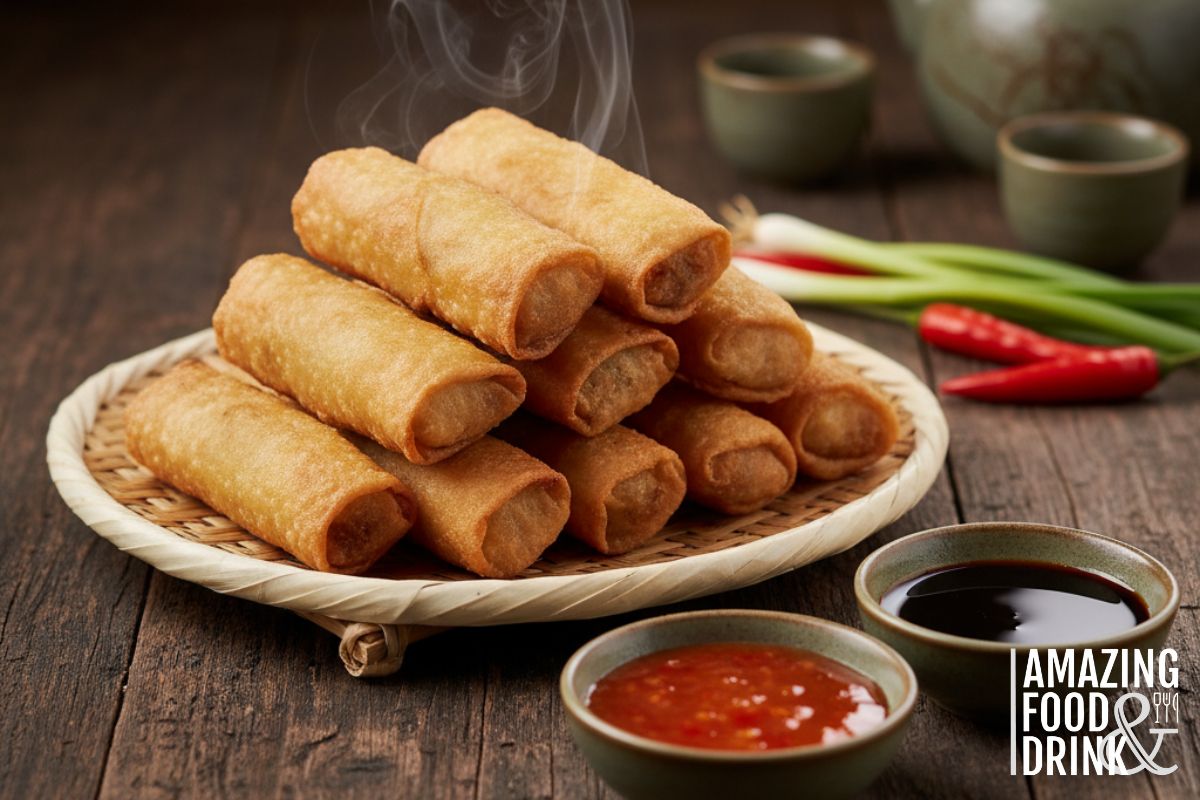
Master Crispy Homemade Egg Rolls in 40 Minutes
Imagine biting into a perfectly golden, undeniably crunchy shell, giving way to a savory, seasoned filling of meat and crisp vegetables. That, my friends, is the magic of a homemade egg roll. Far from a complicated culinary feat, mastering crispy homemade egg rolls is entirely within your grasp, even on a busy weeknight. In fact, we’re going to show you how to achieve this takeout favorite in just about 40 minutes, turning your kitchen into a haven of irresistible aromas and flavors.
For many, the mention of egg rolls conjures fond memories – perhaps a childhood trip to a bustling Chinese takeout spot, a casual lunch with family, or simply the ultimate crunchy snack. The journey from craving to creation can seem daunting, but it doesn't have to be. This isn't about professional chef techniques; it's about simple steps, smart ingredients, and a dash of enthusiasm. If you've ever found yourself with a surplus of fresh veggies or a desire for something deeply satisfying that isn't from a delivery app, then this guide is for you. Get ready to impress yourself, your family, or your friends with these golden delights.
Why Homemade Egg Rolls Are a Game-Changer
There's a unique satisfaction that comes with crafting your favorite dishes from scratch, and homemade egg rolls are no exception. Beyond the sheer pride of creation, there are several compelling reasons to embrace making them yourself:
- Unbeatable Freshness and Flavor: When you make egg rolls at home, you control every ingredient. This means fresh, vibrant vegetables, quality protein, and spices tailored to your palate. The difference in taste compared to pre-made or even some takeout versions is often profound.
- Complete Customization: One of the greatest advantages is the freedom to experiment with fillings. Have extra cabbage and carrots? Perfect. A little ground chicken or pork that needs using up? Ideal. Homemade egg rolls are incredibly versatile, allowing you to adapt to what's in your pantry or what dietary preferences you have.
- Budget-Friendly: Making egg rolls from scratch is often significantly more cost-effective than ordering takeout. You can stretch your ingredients further and create a larger batch for the same, if not less, expense.
- A Fun & Rewarding Culinary Experience: From sautéing the filling to the rhythmic wrapping and the satisfying sizzle of frying, the entire process can be incredibly therapeutic and fun. It’s an activity that can even be shared with family, turning meal prep into quality time.
- Know What You're Eating: Avoid hidden additives, excessive sodium, or unknown oils. With homemade, you're in charge of the nutritional profile, making it easier to enjoy a healthier take on a classic indulgence.
Whether you're looking for a quick appetizer, a fun party snack, or even a light main course, the convenience and quality of homemade egg rolls make them an absolute culinary win.
Unpacking the Perfect Egg Roll: What's Inside?
What exactly defines an egg roll? Often considered the quintessential Chinese takeout food in America, these savory, fried delights boast a rich history and a surprisingly adaptable nature. Traditionally, the filling often features a combination of shredded cabbage, carrots, sometimes celery, and a protein like Chinese roast pork or even shrimp. Many culinary experts and home cooks swear by ground pork or chicken as a fantastic base.
Interestingly, despite the name, the filling of an egg roll rarely contains actual egg. The "egg" in the name might refer to the wrapper, which is typically made from wheat flour and sometimes contains egg, or perhaps it's simply an evolution of naming from early 20th-century American-Chinese cuisine. These wrappers are thicker than their spring roll cousins, and when fried, they develop those characteristic small bubbles and a robust, crispy texture that we all adore.
While some purists might recall specific, beloved combinations from childhood, like the pork and sweet duck sauce experiences of growing up in NYC, the beauty of homemade egg rolls lies in their flexibility. They are, in essence, an American creation, evolving from traditional Chinese spring rolls into the beloved fried, savory package we recognize today. To delve deeper into this fascinating history and the nuances of various fillings, explore our article: Egg Rolls Explained: Fillings, History, and Why No Egg.
The 40-Minute Promise: Your Crispy Egg Roll Blueprint
Achieving crispy, flavorful egg rolls in just 40 minutes isn't a pipe dream; it's entirely achievable with a little organization and a few smart techniques. Here’s your blueprint:
- Mise en Place is Your Best Friend (5-10 minutes): Before you even turn on the stove, get all your ingredients prepped. Shred your cabbage and carrots (a food processor with a shredding disc is a massive time-saver here), mince garlic and ginger, measure out sauces, and get your ground meat ready. Having everything at hand streamlines the cooking process.
- Sauté the Filling (10-12 minutes):
- Heat a large skillet or wok over medium-high heat. Add a tablespoon of oil.
- Brown your ground meat (pork, chicken, or turkey) until no pink remains, breaking it up with a spoon. Drain any excess fat.
- Add your aromatics like minced garlic and ginger, cooking for about 30 seconds until fragrant.
- Stir in your shredded cabbage and carrots. Sauté until tender-crisp, usually 3-5 minutes. You want them cooked but still with a slight bite.
- Season with soy sauce, a touch of sesame oil, and any other spices you prefer. Stir well and remove from heat. Let it cool slightly while you prepare your wrapping station.
- Wrap 'Em Up (10-12 minutes):
- Set up your wrapping station: a clean, dry surface, your egg roll wrappers, a small bowl of egg wash (one egg beaten with a tablespoon of water) for sealing, and your cooled filling.
- Place a wrapper diamond-style (a corner pointing towards you). Place about 2-3 tablespoons of filling near the bottom corner, leaving space on the sides. Avoid overfilling, as this makes them difficult to roll and prone to bursting.
- Fold the bottom corner over the filling and tuck it in tightly.
- Fold in the two side corners, creating an envelope shape.
- Brush the top corner with egg wash and roll the entire package tightly upwards to seal. A tight roll is crucial for a crispy, non-greasy result.
- Fry to Golden Perfection (8-10 minutes):
- Heat 2-3 inches of neutral oil (vegetable, canola, peanut) in a deep pot or Dutch oven to 350-375°F (175-190°C). Use a thermometer for accuracy – consistent oil temperature is key to perfectly crispy egg rolls.
- Carefully lower 2-3 egg rolls into the hot oil (don't overcrowd the pot, which drops the oil temperature).
- Fry for 3-5 minutes, turning occasionally, until they are golden brown and crispy on all sides.
- Remove with tongs and place on a wire rack set over a baking sheet lined with paper towels to drain excess oil. This prevents them from getting soggy.
- Repeat with remaining egg rolls.
Serve immediately with your favorite dipping sauce, like sweet and sour sauce, duck sauce, or a spicy chili garlic sauce.
Essential Tips & Smart Swaps for Your Egg Roll Adventure
Part of the beauty of making egg rolls at home is the incredible flexibility and room for personal touch. Here are some essential tips and clever swaps to ensure your egg roll adventure is a resounding success:
- Don't Skimp on Draining the Filling: After cooking, if your filling seems watery, place it in a colander and press out any excess liquid. Too much moisture in the filling can lead to soggy egg rolls or cause the oil to splatter dangerously during frying.
- Mastering the Seal: That egg wash isn't just for glue; it helps create a secure seal that prevents your precious filling from escaping into the hot oil. Ensure all seams are firmly pressed shut.
- Optimal Oil Temperature: This is perhaps the most critical factor for crispiness. If the oil isn't hot enough, your egg rolls will absorb too much oil and turn greasy. If it's too hot, they'll burn on the outside before the inside is fully heated. A reliable thermometer is a worthwhile investment.
- Batch Frying is Best: Resist the urge to cram too many egg rolls into the pot at once. Overcrowding lowers the oil temperature dramatically, leading to less crispy results. Fry in small batches to maintain a consistent temperature and achieve even browning.
Smart Swaps for Fillings & Wrappers
The beauty of homemade egg rolls truly shines in their adaptability:
- Protein Alternatives: While ground pork or chicken is classic, don't hesitate to experiment. Ground turkey makes for a leaner option, or even a mix of ground pork and chicken can offer a balanced flavor and texture. For a vegetarian option, try finely chopped mushrooms, firm tofu, or even textured vegetable protein (TVP) seasoned similarly.
- Veggie Variations: Beyond cabbage and carrots, consider adding other finely shredded vegetables like bean sprouts, water chestnuts (for crunch), bamboo shoots, bell peppers, or even finely chopped spinach. The goal is to keep the pieces small and cook them until tender-crisp.
- Wrapper Wonders: Can't find traditional egg roll wrappers? Wonton wrappers are an excellent substitute, though they are smaller. This means you'll make more, bite-sized "mini egg rolls," and need to adjust the filling amount per wrapper. They'll still deliver that delightful crunch! For more ideas on how to adapt your ingredients, check out our guide on Homemade Egg Rolls: Easy Swaps for Fillings & Wrappers.
- Spice It Up: Don't be afraid to enhance the flavor profile. A pinch of white pepper, a dash of garlic powder, or a splash of rice vinegar can elevate your filling. A little oyster sauce can also add a wonderful umami depth.
- Beyond Frying: While traditionally fried, you can achieve a respectable crispiness by baking or air frying. For baking, brush lightly with oil and bake at 400°F (200°C) for 15-20 minutes, flipping halfway. For air frying, spray lightly with oil and air fry at 375°F (190°C) for 10-15 minutes, flipping once. They won't be quite as blistered as deep-fried, but they'll still be delicious!
With these tips and the confidence to experiment, you're well on your way to crafting your signature, crispy homemade egg rolls.
Conclusion
From a nostalgic craving to a delicious reality, mastering crispy homemade egg rolls in just 40 minutes is an incredibly rewarding culinary endeavor. We've explored the joy of customization, the rich history behind this American-Chinese favorite, and provided a clear, actionable blueprint to guide you from prep to the perfect golden crunch. No fancy chef skills required – just a willingness to dive in and create something truly delicious. So, gather your ingredients, fire up your stove, and get ready to experience the unmatched satisfaction of biting into a perfect, freshly made egg roll. Your taste buds (and perhaps your wallet) will thank you!
